

17 Oct
2026
Last Updated: October 17, 2026
Self-help apparel is clothing designed with helping messages, affirmations, or symbolic meaning: tank tops with mantras, t-shirts bearing motivational phrases, or pieces meant to represent personal transformation. The premise: wear something that reminds you of your goals or values, and that visual reinforcement will boost your confidence and resilience.

But does self help apparel actually improve confidence, or is it just clever marketing wrapped in cotton? This matters because many people invest real money hoping for real psychological shifts. The question isn't whether fashion matters, it does. It's whether the specific claims hold up under scrutiny.
Some people report genuine confidence boosts from wearing helping apparel; others find the effect fades quickly or never materializes. Understanding what actually works, and for whom, helps you decide whether this approach fits your needs.
The relationship between what you wear and how you feel is real, but more nuanced than apparel marketing suggests. When you wear something that fits well, looks polished, or aligns with your identity, you carry yourself differently: your posture shifts, your eye contact steadies, the way you move through a room changes.
This effect is sometimes called "enclothed cognition," the idea that clothes influence your psychological state. A well-fitted blazer might make you feel more authoritative in a meeting; a favorite sweater might ease anxiety on a difficult day. The mechanism isn't magic, it's physical comfort, visual feedback from others, and the mental associations you've built around certain pieces.
Self-help apparel adds an intention layer. You're not just wearing something comfortable; you're actively selecting something that represents a goal or identity you're working toward. That intentionality serves as a daily micro-reminder of what you're trying to build.
The catch is that this effect is typically short-term and context-dependent. You might feel more confident wearing an helping shirt to a job interview, but the boost is tied to that situation and those clothes. Change clothes and the external trigger disappears. Whether the confidence persists depends on what you accomplish and whether you reinforce the feeling with actual behavior change.
The single most important factor in whether clothing boosts confidence isn't the message on the shirt, it's fit and comfort. A perfectly fitted garment that moves with you without restriction changes your physical experience throughout the day. You're not adjusting straps, tugging at fabric, or second-guessing how you look, and that freedom translates into mental space for other things.
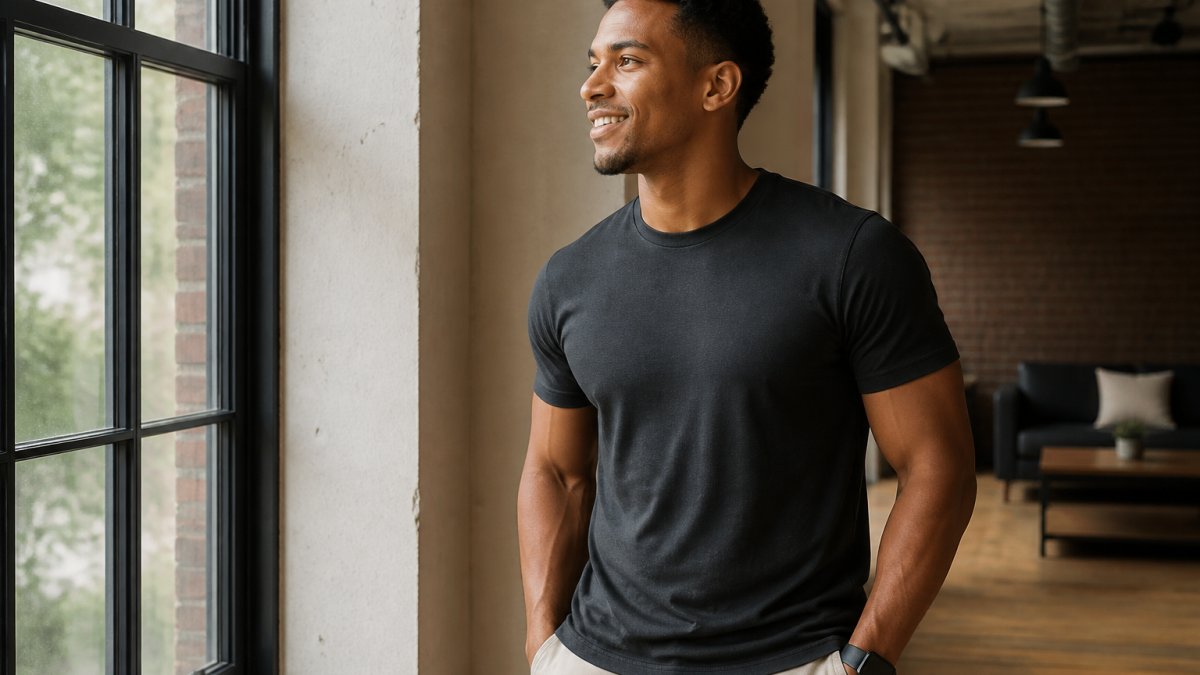
When choosing clothes meant to boost confidence, evaluate fit first: does it sit on your shoulders correctly, skim your body without clinging or hanging loose, and let you move freely? These questions matter more than the inspirational message printed on the front. A poorly fitting garment with a great affirmation will undermine confidence; a well-fitting basic will support it.
Comfort extends beyond fit: the fabric matters. Premium cotton blends and quality knit jerseys feel better against skin and hold their shape longer than cheaper alternatives. Platforms like Shop For Better curate apparel options that prioritize this foundation, offering pieces designed for softness and durability with thoughtful sizing that helps you find a fit that actually works for your body.
Self-help apparel can create a short-term mood shift. You put on a shirt with an helping message, feel a small lift, and head into your day with slightly more energy. That's real, and it's temporary.
The boost typically lasts a few hours, the duration of whatever event you're preparing for: a job interview, a first date, a difficult conversation, a public presentation. The apparel serves as a psychological anchor during that moment, reminding you of your intention and giving you something tangible to hold onto.
What doesn't happen automatically is lasting change. Wearing an helping shirt doesn't rewire your self-perception permanently or resolve underlying insecurity. What it can do is provide a small boost during a specific situation, helping you show up more present and engaged. If the outcome of that situation is better, that better outcome is what builds real confidence over time.
I Can Only Be Me Upstormed Tank Top →
The difference between short-term mood and lasting change comes down to what you do with the boost. If you feel a lift and then take action aligned with your goals, you're creating experiences that reinforce confidence. If you revert to old patterns, the effect fades when you change clothes.
This is why combining apparel with curated content matters. A single piece of clothing is a starting point; paired with music that lifts your mood, literature that explores resilience, the apparel becomes part of a larger practice rather than a standalone solution.
Confidence built through clothing is most authentic when the clothes reflect your actual identity and values. It's about discovering what you genuinely like to wear and why.
Your personal style is the intersection of three things: what makes you feel physically comfortable, what aligns with how you see yourself, and what communicates something true about who you are. When all three overlap, you get clothes that boost confidence because they're authentically yours.
Finding your personal style takes experimentation. Notice what you reach for repeatedly: which pieces you wear most, which colors make you feel good, which silhouettes work with your body, which fabrics feel best against your skin. These are the foundation of a wardrobe that actually supports your confidence.
Next, consider what your style communicates. Minimalist and clean, or bold colors and patterns? Structured and polished, or relaxed and comfortable? There's no right answer; what matters is honesty. Force yourself into formal pieces when you're naturally casual and you'll feel uncomfortable; wear sloppy clothes when you value sophistication and you're working against yourself.
The role of self-help apparel in this picture is as a tool for intentional self-expression. When building a wardrobe that supports confidence, ask: Does this piece fit my lifestyle? Will I actually wear it? Does it feel like me, or am I wearing it because I think I should?
Self-help apparel works differently depending on who's wearing it and what they're dealing with. Knowing where it helps and where it won't sets realistic expectations.
Who tends to benefit: People with situational confidence challenges often see the most tangible benefit. Preparing for a specific event, a presentation, an interview, a social situation, and wanting a small psychological boost, apparel with intentional messaging can help.
People drawn to ritual and intentionality also benefit.
Individuals building a personal style that reflects their identity see results when self-help apparel aligns with that identity. If you're exploring who you are and what you stand for, wearing clothes that express those values can be part of that exploration.
Who may not see results: People dealing with deep-seated insecurity or mental health challenges like depression or anxiety won't find lasting solutions in apparel alone. Clothing can provide a temporary mood lift, but it won't address underlying issues.
People who don't connect with the specific message or values on the garment often feel disconnected from the piece. If the affirmation doesn't resonate with you personally, wearing it feels inauthentic. Authenticity undermines confidence, so forced messages don't work.
I Can Only Be Me Upstormed Tank Top →
Individuals in contexts where personal style matters less than conformity, certain workplaces, schools, or environments with strict dress codes, may find self-help apparel irrelevant. If you're required to wear a uniform or specific style, the personal expression element disappears.
It's worth being direct about what self-help apparel can't do. It can't replace therapy, coaching, or skill-building, fix structural problems in your life or work environment, override deep insecurity or trauma, or make you confident if you're genuinely unprepared.
The limits are also temporal. The boost is real but short-lived: change clothes, the external reminder disappears, and you're back to baseline. That's not a failure of the apparel, it's the nature of external cues. Lasting confidence comes from internal sources: competence, experiences that prove you can handle challenges, relationships that affirm your worth, and a sense of purpose.
There's also a risk of false confidence. Wearing an helping shirt might make you feel more capable than you actually are. That can push you to try something you'd otherwise avoid, but it can also set you up for disappointment if the boost doesn't match your actual readiness. Apparel works best when aligned with genuine preparation and capability.
Marketing sometimes implies that wearing the right clothes is a shortcut to confidence. It's not. Clothes can support confidence, remind you of your intentions, and make you feel more comfortable in your own skin, but they're a tool, not a solution. The real work happens in your choices, your actions, and how you respond to challenges.
Does self help apparel actually improve confidence? Both yes and no. Yes, clothing influences how you feel in the moment and how you carry yourself; fit, comfort, and intentionality matter. No, apparel alone doesn't create lasting confidence or resolve deeper insecurity.
The real value lies in using clothes as one part of a deliberate approach to personal development. Combine well-fitted, comfortable apparel with intentional messaging, supportive content, and actual behavior change, and you create conditions where confidence can grow.
If you're considering self-help apparel, focus first on fit and comfort. Choose pieces that work for your body and lifestyle, then add intentional messaging if it resonates. Pair it with actions that reinforce the message and build on small boosts with real accomplishments. That's where lasting confidence comes from.
Motivational messages on clothing can create a short-term mood lift by serving as a personal reminder of your values or goals. However, the effect is temporary and works best when paired with actual behavior change or personal development work. Wearing a shirt with an empowering message alone won't build lasting confidence without underlying action. The psychological boost comes more from the meaning you assign to the garment than from the message itself.
Well-fitted, comfortable apparel that flatters your body shape can positively influence how you perceive yourself in the moment. When clothing fits properly and feels good physically, you're less distracted by discomfort and more present in social or work settings. This improved self-perception can enhance your performance and interactions. However, this effect depends heavily on personal preference and individual body image, what feels flattering to one person may not work for another.
Focus on three factors: fit, comfort, and personal style alignment. Choose pieces that fit your body shape without being too tight or loose, allowing you to move freely. Prioritize fabrics that feel comfortable against your skin, quality materials like four-way stretch jersey or soft cotton reduce distraction and physical discomfort. Select colors and styles that genuinely reflect your identity and make you feel like yourself, rather than following trends that don't resonate with you.
Self-help apparel works best as a supplementary tool, not a replacement for therapy or structured personal development. If you're already investing in those areas, apparel can serve as a daily reminder or confidence anchor, especially pieces with messages or designs that resonate with your growth journey. Consider it worthwhile only if the cost fits your budget and the pieces genuinely align with your personal style and values. Quality, versatile pieces you'll actually wear offer better value than novelty items.

Empowering apparel women over 40: Discover empowering apparel for women over 40 that builds confi...

Find the best statement dresses for parties, dinners, weddings, and getaways, with easy tips on c...

Learn how to stay motivated during challenges with 7 practical steps: goal setting, daily habits,...

 Account
 Cart