

29 Sep
2026
Last Updated: September 29, 2026
A life transition is any significant change that disrupts your daily routines, relationships, or sense of identity, from a career pivot to the loss of someone close. What makes these periods so difficult is that they strip away the familiar structures that once told you who you are. This guide from Upstormed explores how books for overcoming life transition challenges can give you a framework when everything else feels uncertain.
The research on reading and well-being points in one clear direction. According to the American Psychological Association's resources on stress and coping, structured reflection and narrative processing help people adapt to major change more effectively than distraction alone. Reading does exactly that: it hands you someone else's map of the unknown and lets you walk it at your own pace.
Here is the throughline for everything below. Most "healing book" lists hand you a stack of titles and wish you luck. That is not a reading plan. This one is organized by the transition you are actually facing, because grief, a career pivot, and a crisis of self-doubt each need something different from a book.
Knowing how to cope with life transitions starts with matching the right book to the right moment. A framework beats a random bestseller list because it accounts for where you are emotionally, not just what is popular.
Use this three-part method before you buy anything:
The table below maps the most common transitions to the reading approach that tends to help most.
| Transition | What You Need | Best Reading Approach |
|---|---|---|
| Loss or grief | Permission to feel | Fiction with emotional depth |
| Career pivot | A sense of direction | Memoir and practical guides |
| Starting over | Proof it is possible | Character-driven fiction |
| Crisis of confidence | Reframing self-talk | Story-led self-help |
Categorizing by life event is where most reading lists fall short, and it is the single biggest upgrade you can make to your own reading plan. A book about ambition will not help someone processing grief, and a gentle story will not help someone who needs a push. Match the emotional job to the book. Selecting the right narrative framework provides the necessary clarity for reclaiming your life after the dust of a major transition has finally settled.
Neglected But Undefeated: The Life Of A →
Habit change during a transition works because the brain is already rewiring itself. When your circumstances shift, your old routines lose their triggers, which is uncomfortable but also an opening. Reading about someone else's transformation gives your brain a model to imitate while it rebuilds its own patterns.
This is why a nightly reading habit is more than a comfort. It is a new routine you can install precisely when the old ones have collapsed. Many people find that the act of reading consistently does as much for their sense of stability as the content itself.
The hardest transitions often begin long before the event itself, in the quiet belief that you were never wanted in the first place. Neglected But Undefeated: The Life Of A Boy Who Never Knew A Mother's Love is an autobiography by Jonathan Anthony Burkett that sits directly inside that pain rather than stepping around it.

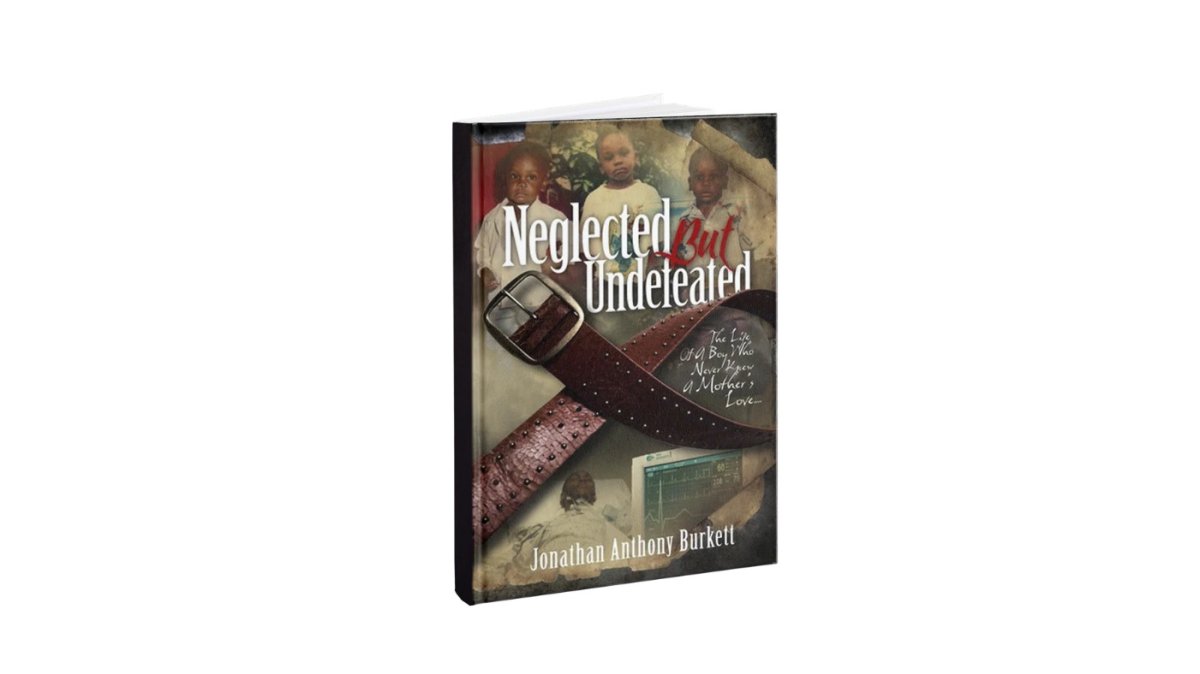
The book follows a young man through trials that would flatten most people: feeling unloved, unwanted, and told he had no future. What makes it useful for a transition is the honesty.
Grief arrives on its own schedule, and it rarely respects yours. Friends 2 Lovers: The Unthinkable follows high school senior Claude Daniels as he faces some of the most horrific tragedies life can throw at a person, with his best friend Kelly helping see him through.
Starting over is the transition that scares people most, because it means admitting the old plan is gone. In Friends 2 Lovers: Closed Doors Open, Claude and Kelly leave New Jersey and return to Miami to begin life again near family, only to find past relationships and misunderstandings threatening the connection they built.

Some transitions are not chosen at all. They arrive as crises that test whether your closest relationships can hold. Friends 2 Lovers: Unexpected Consequences throws Claude and Kelly into adversities from every direction: violence, a friend in need of a life-saving transfusion, and choices with lives at stake.

Anger gets a bad reputation in self-help, but it can be raw material. Fighting To Become Champions follows Devin, trained by a father who never made it to the ring, and Clinton, who came from a broken home and turned the anger he learned to live with into an asset in the ring.
Neglected But Undefeated: The Life Of A →
A concrete reading protocol that many readers find effective:
One trade-off worth naming: practical guides give you tools faster, but they can feel clinical when you are raw. Memoir and fiction give you company faster, but they can leave you without a next step. That is why the anchor-and-mirror pairing works. You get both the map and the companionship, and you stop asking one book to do a job it was never built for.
The best life transition books match your specific situation. For feeling unloved or unwanted, Neglected But Undefeated offers a raw memoir of resilience. For starting over after loss, Friends 2 Lovers: Closed Doors Open follows characters rebuilding after leaving their past behind. For turning anger into purpose, Fighting To Become Champions shows two boxers channeling pain into discipline. Choose based on the emotion you're struggling with most.
Reading gives you distance from your own situation while still processing it emotionally. Fiction lets you rehearse resilience through characters who face similar challenges, while memoirs prove that others have survived what you're going through. Even 20 minutes of reading can lower stress hormones and shift your mindset from reactive to reflective, making it easier to cope with life transitions.
Most transitions follow a pattern: denial, resistance, exploration, and commitment. You might cycle through these multiple times. Books help at each stage. During denial, stories normalize the experience. During resistance, characters who struggle openly make you feel less alone. During exploration, memoirs show possible paths forward. During commitment, narratives of rebuilding reinforce your new direction.
Yes. Friends 2 Lovers: Closed Doors Open follows Claude and Kelly as they leave New Jersey for Miami, rebuilding their lives near family while facing past threats. That mirrors the uncertainty of a career pivot or relocation. Fighting To Become Champions shows two young men choosing discipline over circumstance, which parallels the focus required during professional reinvention.
Start with the emotion you feel most: shame, grief, anger, or fear. Shame responds to memoirs like Neglected But Undefeated. Grief needs stories of starting over, like Closed Doors Open. Anger needs channeling, as in Fighting To Become Champions. Fear of the unknown benefits from fiction that lets you test resilience safely. Match the book to the feeling, not the life event.

Learn how to get empowering lifestyle resources delivered to your door, from personal growth book...

Build a motivational music playlist that lifts your mood, sharpens your focus, and carries you th...

Discover the best self improvement apparel for women in 2026, from leggings to motivational shirts.

 Account
 Cart
Cart